Source Wear Resistant Scraper Conveyor for Mining, Power, Grain
Find 30 wear resistant scraper conveyor options for mining transport, power plants, and grain handling. Compare specifications like chain speed, capacity, and material features such as heat and fire resistance to select the right system for your industrial needs; compare the available evidence and request quotations based on your requirements.
Key considerations
Products List


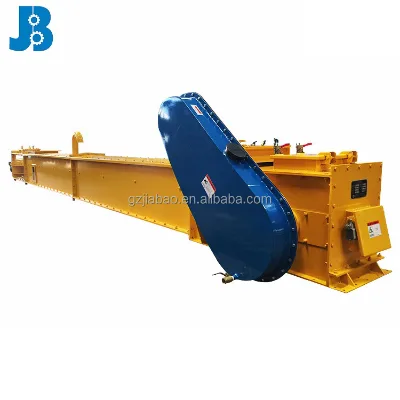

Comprehensive Sourcing Guide
Wear Resistant Scraper Conveyor Sourcing Guide
Buyers must first distinguish between carbon steel and stainless steel variants when evaluating wear-resistant scraper conveyors, as material selection directly dictates suitability for specific abrasive environments. The observed market data indicates that carbon steel units often feature heat-resistant and fire-resistant treatments, making them ideal for high-temperature mining transport applications where structural integrity under thermal stress is critical. Conversely, stainless steel options provide enhanced corrosion resistance, which is essential for chemical industry or grain transport scenarios where moisture and acidic byproducts are prevalent.
Procurement teams should verify the specific heat treatment processes applied to the chain components, as this determines the long-term durability of the system. The available listings highlight quenched and tempered treatments alongside surface hardening, which are vital for resisting the abrasive wear caused by heavy mineral loads. Additionally, the presence of anti-rust oil coatings or painting on carbon steel units serves as a primary defense against environmental degradation, ensuring that the conveyor maintains its operational lifespan even in harsh outdoor mining conditions.
Product Scope and Observed Listing Signals
The product scope for wear-resistant scraper conveyors spans a wide range of model numbers, including the SGZ630, SGZ1000, and SGZ1200 series, each designed to accommodate different throughput requirements. Buyers should note that the observed listings feature compatible chain types such as 18×64, 22×86, and up to 42×146, allowing for customization based on the specific load and speed requirements of the mining or power plant facility. This variability in chain dimensions ensures that the conveyor can be tailored to handle everything from light grain transport to heavy-duty mining operations without compromising structural stability.
Listing signals also reveal significant flexibility in installation configurations, with options for horizontal or inclined setups and maximum tilt angles reaching up to 25 degrees. The observed data indicates that trough widths vary from 160mm to 800mm, enabling precise matching to the material flow characteristics of the intended application. Furthermore, the availability of single or multiple inlet and outlet points allows for complex plant layouts, while the option for custom colors and packaging ensures that the equipment integrates seamlessly with existing facility aesthetics and logistical requirements.
Technical Specifications to Verify
When verifying technical specifications, buyers must prioritize the maximum conveying length and capacity, as these parameters define the operational limits of the conveyor system. The observed data suggests a maximum conveying length of 80 meters, which is suitable for medium-distance transport lines, while handling capacities can range from 15 to 950 cubic meters per hour depending on the specific model and configuration. It is crucial to confirm that the selected unit can sustain the required throughput without exceeding the maximum material temperature of 250 degrees, which could otherwise lead to material degradation or equipment failure.
Drive device selection is another critical technical factor, with options including gear motors, fluid couplings, and gear boxes from reputable brands like Flender or Sumitomo. The chain speed, observed in listings ranging from 0.16 to 0.7 meters per second, must be matched to the material flow rate to prevent blockages or excessive wear on the chain links. Buyers should also verify the take-up type, such as screw or screw-plus-spring types, to ensure the system can maintain proper chain tension under varying load conditions, thereby preventing slippage and ensuring consistent performance over time.
Compliance and Safety Documentation
Compliance and safety documentation for wear-resistant scraper conveyors must address the specific hazards associated with mining and industrial transport, including fire resistance and heat tolerance. The observed product features explicitly mention fire-resistant and heat-resistant material properties, which are essential for meeting safety standards in environments where sparks or high temperatures are common. Buyers should request detailed test reports or certification documents that verify these material properties, ensuring that the conveyor meets the rigorous safety requirements of the specific industry sector in which it will operate.
Documentation should also cover the structural integrity and load-bearing capabilities of the conveyor, particularly regarding the chain and sprocket systems. The observed listings indicate a standard specification of 150S830103, which serves as a baseline for quality assurance, but buyers must confirm that this standard applies to the specific model being purchased. Additionally, safety protocols for installation and maintenance should be clearly outlined, including guidelines for handling the heavy components and ensuring that the drive devices are properly secured to prevent accidental disengagement during operation.
Cost Drivers and Commercial Terms
Cost drivers for wear-resistant scraper conveyors are heavily influenced by the choice of material, with stainless steel units typically commanding a higher price than carbon steel alternatives due to their superior corrosion resistance. The complexity of the customization, such as specific chain dimensions, custom colors, or unique packing requirements, also significantly impacts the final cost. Buyers should be prepared for a wide price range, observed from 1 to 75,000 USD, depending on the scale of the order and the level of customization required for the specific application.
Commercial terms, including minimum order quantities (MOQ) and lead times, vary widely across the market, with observed MOQs ranging from 1 to 1000 units. Buyers must negotiate clear terms regarding payment schedules, shipping methods, and warranty coverage, as these factors can affect the total cost of ownership. The observed data suggests that wooden box packaging is standard, but international standards may apply for larger shipments, and buyers should clarify who bears the risk of damage during transit to avoid unexpected costs upon delivery.
Supplier Qualification and Quality Control
Supplier qualification for wear-resistant scraper conveyors requires a thorough assessment of the manufacturer's location and production capabilities, with observed origins including Zhengzhou, Henan Province, and Hebei, China. Buyers should verify that the supplier has a proven track record in manufacturing heavy-duty industrial equipment, particularly in the mining and power plant sectors, to ensure they can deliver products that meet the demanding performance standards of these industries. The presence of specific model numbers and standardized specifications in the listings indicates a level of production maturity that buyers should seek to replicate.
Quality control processes must be rigorously evaluated, focusing on the heat treatment and surface treatment procedures used to enhance the durability of the conveyor components. Buyers should request evidence of the quenched and tempered processes and anti-rust oil coatings applied to the carbon steel units, as these are critical for preventing premature wear and corrosion. Additionally, the supplier should demonstrate a commitment to energy-saving features and the use of high-quality gear boxes, ensuring that the final product is not only durable but also efficient in its operation.
Long-Term Procurement Checks
Long-term procurement checks for wear-resistant scraper conveyors should focus on the availability of spare parts and the supplier's ability to provide ongoing technical support. The observed data indicates that chain speeds and drive devices are customizable, which means that buyers must ensure that replacement parts for these specific configurations are readily available to minimize downtime during maintenance. A reliable supplier should offer a comprehensive after-sales service package that includes troubleshooting, part replacement, and guidance on optimizing the conveyor's performance over its lifespan.
Buyers should also establish a schedule for regular inspections and maintenance to monitor the condition of the chain, sprockets, and drive devices. The observed maximum tilt angles and material temperatures provide benchmarks for assessing wear and tear, and deviations from these parameters should trigger immediate investigation. By maintaining a proactive approach to equipment management, buyers can extend the operational life of the scraper conveyor and ensure that it continues to meet the high standards of efficiency and safety required in industrial applications.
FAQs
What materials are used for wear resistant scraper conveyors?
These conveyors are typically constructed from carbon steel or stainless steel to ensure durability and resistance to wear. The materials are selected for their ability to withstand harsh environments in mining and power plant applications. Some variants also feature fire-resistant and heat-resistant properties to handle high-temperature materials safely during transport operations.
Can the color of the conveyor be customized?
Yes, the color of the conveyor is fully customizable to meet specific customer requirements or brand standards. This customization is available alongside other structural modifications. Buyers can specify their preferred color scheme during the ordering process to ensure the equipment integrates seamlessly with existing facility aesthetics or safety color codes.
What is the maximum conveying angle for these systems?
The maximum conveying angle for these systems is up to 45 degrees, allowing for efficient inclined transport. This capability enables vertical material movement in compact spaces. The angle chain type, such as roller or dle forging chain, supports this incline while maintaining stable material flow and preventing slippage during operation.
Which drive devices are compatible with these conveyors?
Compatible drive devices include gear motors, motor plus fluid coupling, and gear-box combinations. High-quality gear-box brands like Flender, Sumitomo, or Chinese brands are often used. These drive systems ensure reliable power transmission and energy-saving performance, allowing for precise control of chain speed and handling capacity in various industrial applications.
How is the product packed for international shipping?
The product is packed in wooden boxes or according to international standards to ensure safe transit. This robust packaging protects the conveyor components from damage during long-distance shipping. The packing method is designed to withstand rough handling, ensuring that all parts arrive at the destination site in new condition and ready for installation.